
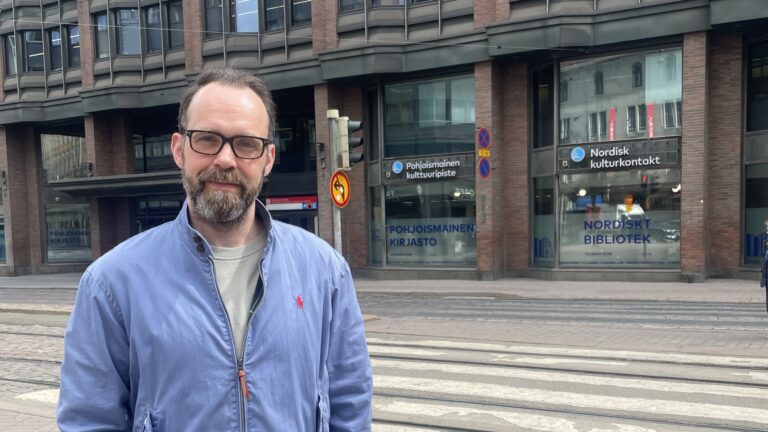
The expert group for Mobility Funding noted a sustained level of interdisciplinarity, with artists and cultural actors working across traditional art forms and drawing on methods and perspectives from different creative sectors. “Another notable tendency was the ongoing focus on themes such as inclusion, democracy, cultural resilience, and environmental responsibility,” says Orri Huginn Ágústsson, chair of the expert group.
He emphasises that the overall quality of applications was high, reflecting both a strong professional level among applicants in the region and a clear understanding of the programme’s objectives. “The range of artistic fields represented was broad, contributing positively to the diversity of the round. The expert group particularly appreciated applications that combined artistic quality with a well‑developed activity plan, established contact with partners, and a clear rationale for Nordic–Baltic cooperation,” Orri Huginn Ágústsson says.
Increase in slow‑travel planning
The expert group also observed that environmental awareness is becoming increasingly visible in the applications. “We saw more examples of slow‑travel planning, and in cases involving longer stays, applicants often combined several activities within a single journey. These approaches reflect a growing awareness of how physical mobility can be combined with environmental responsibility,” Orri Huginn Ágústsson explains.
“At the same time, the group recognises that meaningful cultural exchange often depends on in‑person encounters, particularly in artistic processes—whether related to creation, exhibition, rehearsal, or performance,” he continues.
Flexible and accessible funding
The Nordic–Baltic Mobility Programme for Culture enables artists and cultural professionals to share work, develop networks, exchange knowledge, and create new collaborations that often have effects far beyond the mobility activity itself. According to Orri Huginn Ágústsson, its flexibility and accessibility make it particularly valuable for both emerging and established cultural actors.
“The programme’s greatest strength is its ability to facilitate direct connections between cultural practitioners across borders. At a time characterised by geopolitical uncertainty, societal polarisation, and rapid change, cultural cooperation plays a vital role in fostering understanding and widening perspectives across the Nordic–Baltic region,” says Orri Huginn Ágústsson.
“The programme also helps maintain an open and connected cultural region. The consistently high number of applications demonstrates both the continued demand for mobility opportunities and the importance of sustaining these connections in the region,” he concludes.
See who received funding in this round
The third and final application round for Mobility Funding in 2026 opens on 18 August.